DIY vs. Outsourced Digital Marketing Costs in 2026

If you run a local business in 2026, you’ve probably asked yourself, “Should I just DIY my Digital Marketing… or hire someone who actually dreams in analytics dashboards?” Let’s pull back the curtain on DIY Marketing Costs, Time Investment Analysis, and when it’s smarter to outsource vs. keep things in-house—without putting you to sleep.

Time Investment Analysis: Your Most Expensive “Free” Resource
Let’s start with the one thing you can’t buy more of: time. DIY Digital Marketing sounds cheap until you realize how many hours disappear into the content void. A realistic Time Investment Analysis for a small local business in 2026 looks something like this:
- 3–5 hours/week planning content and campaigns
- 3–6 hours/week creating posts, emails, and short-form video
- 2–4 hours/week inside tools and dashboards tweaking ads and SEO
Conservatively, that’s 8–15 hours every week. If your time is worth even $50/hour as the owner, you’re quietly “spending” $400–$750 a week doing your own marketing—before you’ve paid a single invoice for tools or ads. Suddenly, DIY Marketing Costs don’t feel so free anymore.
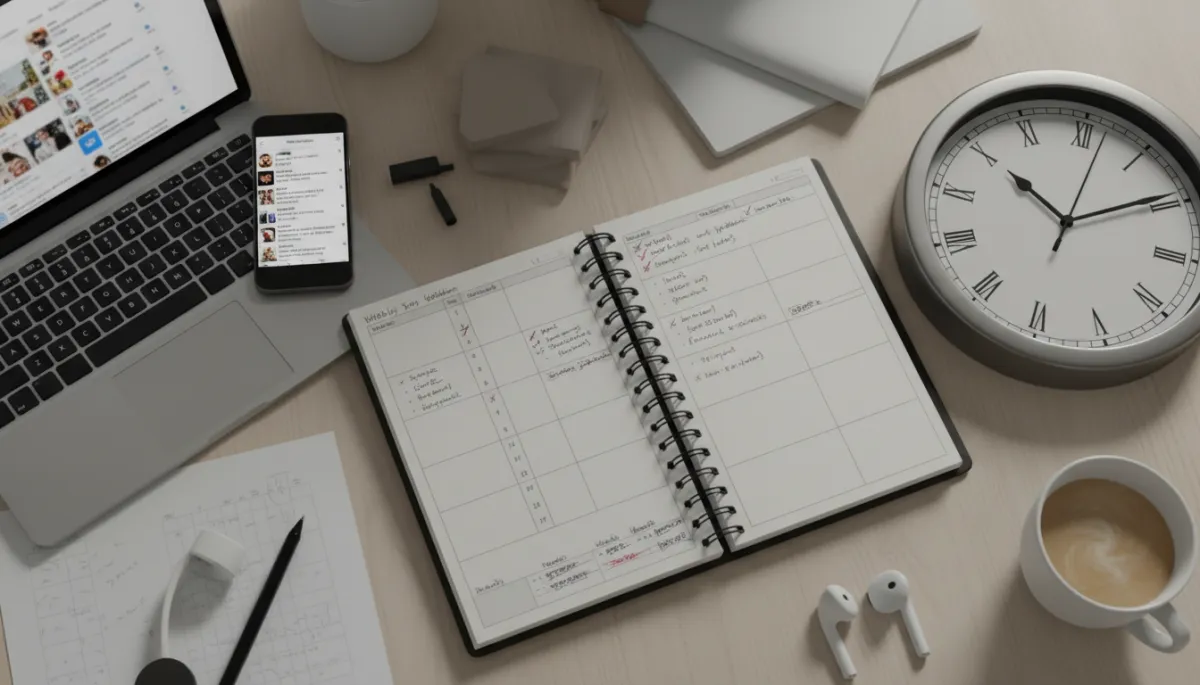
When you track the hours, “free” DIY marketing often becomes your priciest project.
Marketing Tools 2026: Subscriptions, Stacking, and Sneaky Fees
Next up: tools. In 2026, Digital Marketing is powered by a small army of subscriptions. Email platforms like Mailchimp, automation tools like HubSpot or ActiveCampaign, social schedulers, AI copy tools, design apps—you name it, it probably bills monthly. Many “starter” tools look harmless at $10–$50/month, but they scale fast as your contact list grows or you unlock automation features.
For example, Mailchimp’s Standard plan can jump from around $20/month for 500 contacts to over $100/month as you approach 10,000, and you may even pay for unsubscribed contacts if you don’t archive them. Marketing automation platforms like HubSpot, ActiveCampaign, or Klaviyo can easily land in the $100–$800/month range as you grow, according to recent pricing analyses. Add a social scheduler, design tool, and maybe a lightweight CRM, and many local businesses quietly cross $300–$600/month in Marketing Tools 2026 costs—before ad spend.
💡Fun Tip: Once a year, print your tool receipts, tape them to the wall, and ask, “Would I buy all of this again today?” It’s a fast reality check on DIY Marketing Costs.
Opportunity Cost Marketing: What Are You NOT Doing?
Here’s where it gets interesting. Opportunity Cost Marketing is the fancy way of asking: “What money am I leaving on the table by doing this myself?” If you spend 10 hours a week learning ad platforms, chasing algorithm changes, and editing videos, that’s 10 hours you’re not:
- Serving high-value customers
- Improving your product or service
- Building partnerships and local visibility
If one extra hour with customers reliably brings in $150 in revenue, and you’re spending 10 hours a week inside dashboards, that’s potentially $1,500/week in opportunity cost. Even if those numbers are half as strong, it still makes a compelling case to rethink Outsourcing Vs In-house for at least part of your Digital Marketing.
The best marketing move might be freeing yourself to actually serve your customers.

Outsourcing vs In-house: How to Decide in 2026
By 2026, most successful local brands aren’t 100% DIY or 100% outsourced—they’re hybrid. They keep what feels authentic and fun in-house, and delegate the rest to specialists who live and breathe click-through rates. Industry trends show more businesses blending internal teams with agencies or freelancers for specialized skills like SEO, paid ads, or advanced automation.
A simple rule of thumb:
- Keep in-house: Things that require your voice, story, and local flavor—behind-the-scenes Reels, community posts, quick customer updates.
- Outsource: Things that are technical, time-hungry, or high-stakes—Google Ads, advanced email automation, SEO, analytics, and strategy.
When you compare Outsourcing Vs In-house honestly—factoring time, Marketing Tools 2026 pricing, and opportunity cost—outsourcing a chunk of your Digital Marketing often ends up cheaper than doing everything yourself, especially once your business is past the “just surviving” phase.
The right partner turns marketing from a chore into a predictable growth engine.

So… Build or Buy? Here’s Your Next Step
DIY Digital Marketing isn’t “wrong”—it’s just not free. In 2026, the real cost includes your time, your tool stack, your ad spend, and the sales you could have made doing what you do best. The smart move for most local businesses is a fun, flexible mix: keep the parts you enjoy, and bring in pros for the parts that keep you up at night.
Curious which pieces of your marketing to outsource first without losing your voice?